Figo praises Real Madrid’s transfer strategy: “They signed for need, not names”
Luís Figo praised Real Madrid’s recruitment strategy, saying the club strengthened key positions and signed for need rather than famous names.
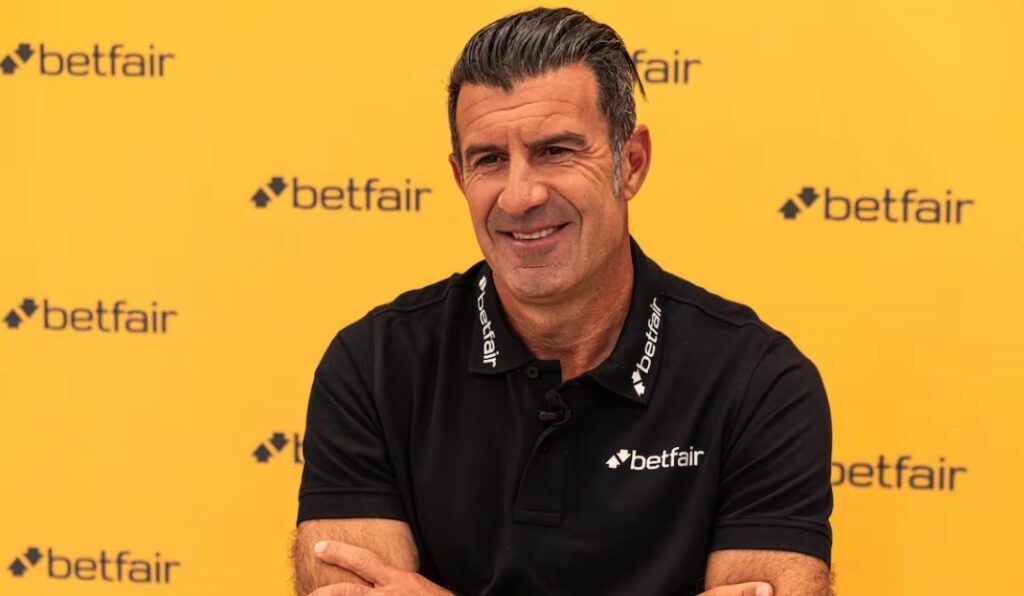
Luís Figo has delivered a positive assessment of Real Madrid’s work during the recently closed transfer window. The former Madrid player believes the club strengthened specific areas of the squad instead of building its plans around the most marketable names available.
Speaking on the “Figosofadas” programme, Figo described the recruitment as a response to genuine needs within the team and to the disappointing results of the previous two seasons.
REAL STRENGTHENED KEY POSITIONS
Figo identified central defence, the full-back positions and the wing as areas Real Madrid needed to improve. He used the arrival of Yan Diomandé as one example of that approach.
“I think Real Madrid recruited very well,” Figo said. “They signed players they needed in important positions: centre-back, full-back and a winger such as Diomandé. Overall, they signed more for need than for names.”
That distinction sits at the centre of his assessment. Madrid did not place all their hopes in one headline arrival. The squad was reinforced across several areas, giving the coaching staff more options over the course of a demanding season.
In Figo’s view, the names followed the plan rather than defining it. Each signing was intended to solve a sporting requirement already identified inside the squad.
A STRONG RESPONSE WAS REQUIRED
The Portuguese believes Madrid needed to react decisively after what he described as two seasons without a trophy. The new arrivals are expected to improve the team, but Figo also sees them as a way of restoring optimism around the club.
“It was necessary to take this step and strengthen the team after the last two years in which they did not win a title,” he added. “It matters for the atmosphere and for the supporters, so they can begin the season with more hope and feel involved in the belief that it can be a positive year.”
New signings do not guarantee immediate success, and their value will ultimately be determined by performances. However, Figo sees a coherent response to previous shortcomings rather than an attempt to cover them with a single famous name.
LARGE FEES MUST BE JUSTIFIED ON THE PITCH
The 2000 Ballon d’Or winner also discussed the continued rise in transfer fees. Particular attention has surrounded the cost of Diomandé, with Spanish media reporting a fee of approximately €125 million.
Figo did not question the player’s ability or Madrid’s decision to sign him, but acknowledged that such investments are extremely difficult to recover in purely financial terms.
“In the end, that is the market,” he said. “Almost 30 years have passed since my time. Back then, I already thought some of the fees were crazy, but the way the market has developed means even greater amounts are being paid today.”
He also rejected the familiar claim that a record signing can largely pay for himself through shirt sales.
“I do not think you can recover a €150 million transfer by selling shirts, as people sometimes try to make others believe,” Figo explained. “These signings can repay their cost through sporting success, but financially it is very difficult.”
For Real Madrid, the expected return therefore has to come through results, trophies and an improvement in the team’s level. A high fee creates greater expectations, but the central test remains straightforward: the player must help Madrid win.
MADRID REMAIN AMONG THE FAVOURITES
Figo does not expect the summer’s business to completely change the balance of power in La Liga. He still views Real Madrid and Barcelona as the main title contenders, with Atlético Madrid also capable of joining the race.
His assessment of Madrid’s recruitment is nevertheless clearly favourable. The club identified weaknesses, strengthened the required positions and added greater depth to the squad. The most expensive parts of that rebuild must now prove their value in competitive matches.
Figo’s praise was not based on fame or transfer fees. He focused on the reasoning behind the deals. For a club making such a significant investment, beginning with the sporting needs of the team is the most important part of the process.