Barcelona end 29-year Can Rigalt saga with almost no profit
Barcelona are selling the Can Rigalt land for €30 million after paying €37.24 million for it in 1997. The planned training complex was never built.
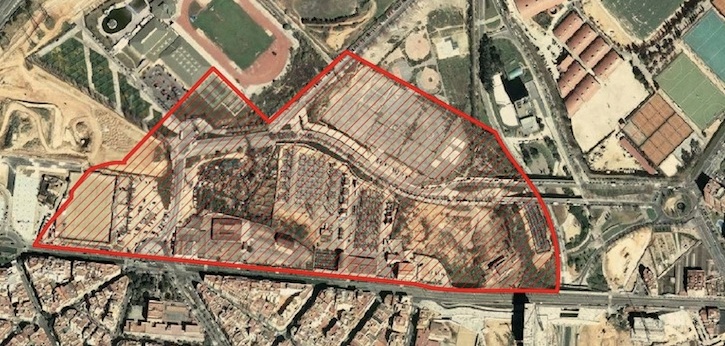
FC Barcelona are finally closing one of the longest-running property sagas in the club’s history. According to 2Playbook, the Can Rigalt land in L’Hospitalet de Llobregat is being sold to Metropolitan House for €30 million, with the buyer reportedly having already paid the first €10 million.
At first glance, the deal looks like a useful injection of cash. The accounting reality is much less exciting. Can Rigalt was valued at €29.99 million on Barcelona’s balance sheet, meaning that nearly three decades of waiting will produce virtually no impact on the club’s financial result.
A TRAINING COMPLEX THAT NEVER EXISTED
Barcelona bought the land in 1997 during Josep Lluís Núñez’s presidency, paying €37.24 million. The original idea was to build the club’s new training facilities there.
Those plans were eventually abandoned, with the Ciutat Esportiva Joan Gamper being developed in Sant Joan Despí instead. Can Rigalt remained on Barcelona’s books as the club waited for urban planning changes that might increase its value.
The wait lasted 29 years. Different boards arrived, new projects were discussed and various financial plans came and went. The land, however, remained exactly where it was.
Barcelona are now set to receive more than €7 million less than the nominal amount paid in 1997. That comparison does not even account for inflation or the additional costs generated by the long-running legal dispute.
THE PREVIOUS DEAL ENDED WITH A €47 MILLION BILL
Joan Laporta’s board attempted to unlock the property’s value in 2005. La Llave de Oro paid Barcelona €35.4 million for 30 per cent of the club’s available buildable area. The agreement depended on the necessary planning permissions being secured.
Those conditions were not met and the dispute went to arbitration. Barcelona were eventually ordered to return the entire €35.4 million and pay a further €11.6 million in interest.
The failed operation therefore left the club facing a combined bill of €47 million. Can Rigalt was not simply an asset waiting quietly for the right buyer. It became an expensive legal and administrative problem passed from one board to another.
€30 MILLION TO FINALLY CLOSE THE FILE
The current sale is expected to fall within the 2026/27 financial year. Its effect on Barcelona’s result should be minimal because the agreed price is almost identical to the asset’s book value.
Removing the property from the balance sheet and finally ending the dispute has obvious practical value. Presenting the outcome as a profitable investment would be much harder. Barcelona committed more than €37 million in 1997, never delivered the proposed sporting project and are now selling the land for €30 million.
Can Rigalt is finally leaving the club’s accounts after 29 years. The long-promised profit appears to have missed the exit.